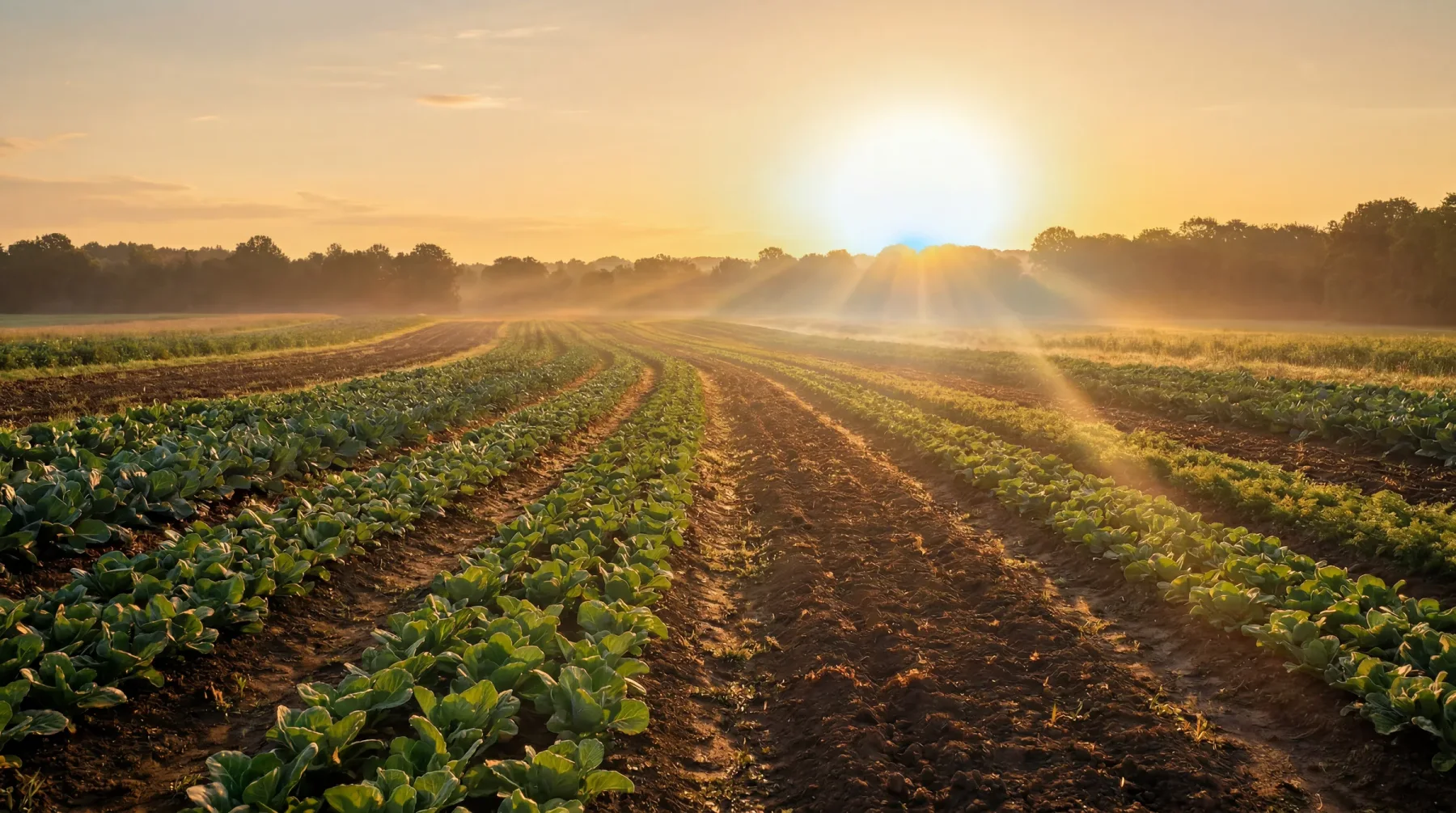
RETRN
Plant intelligence that protects crops without synthetic pesticides, rebuilds the living soil, and adds no synthetic chemistry to leach into the water below.

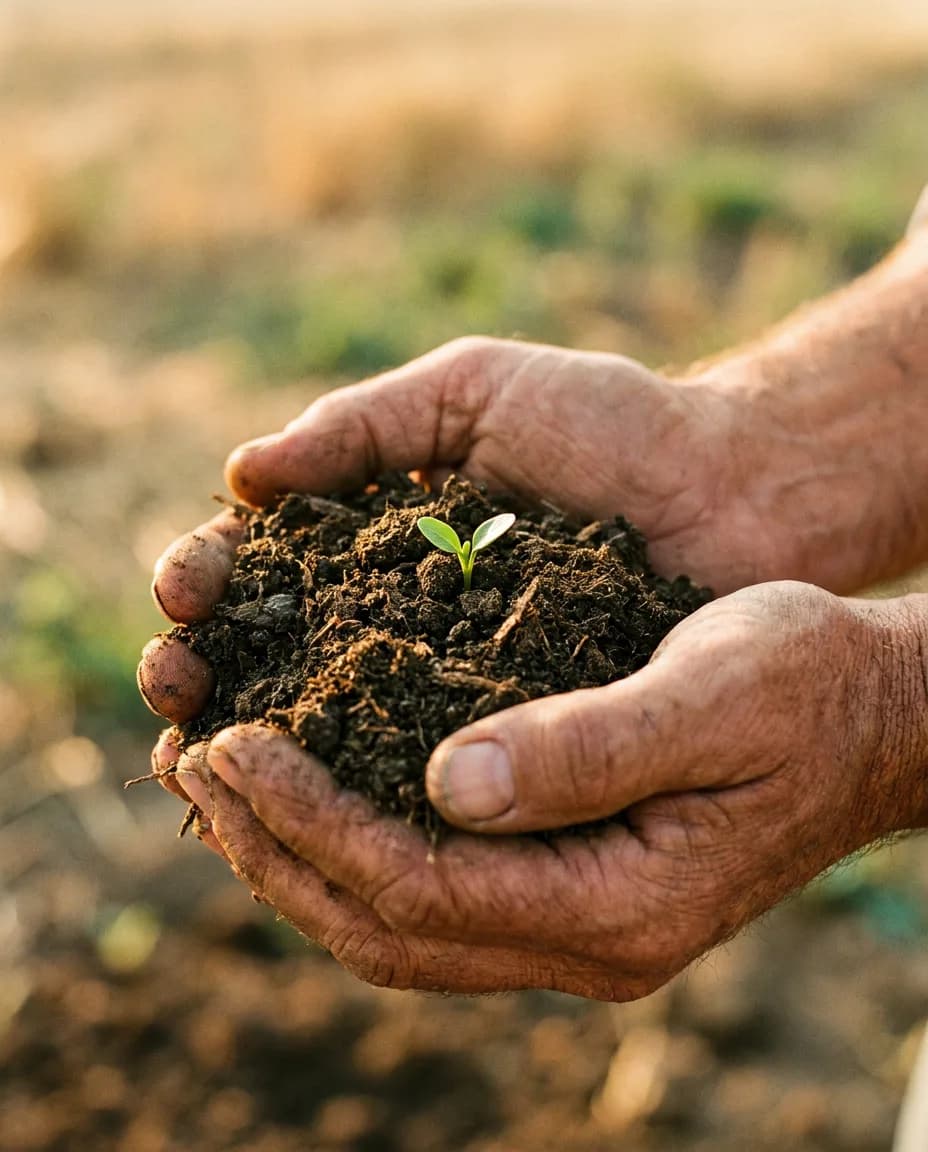
A return to the soil. To the source.
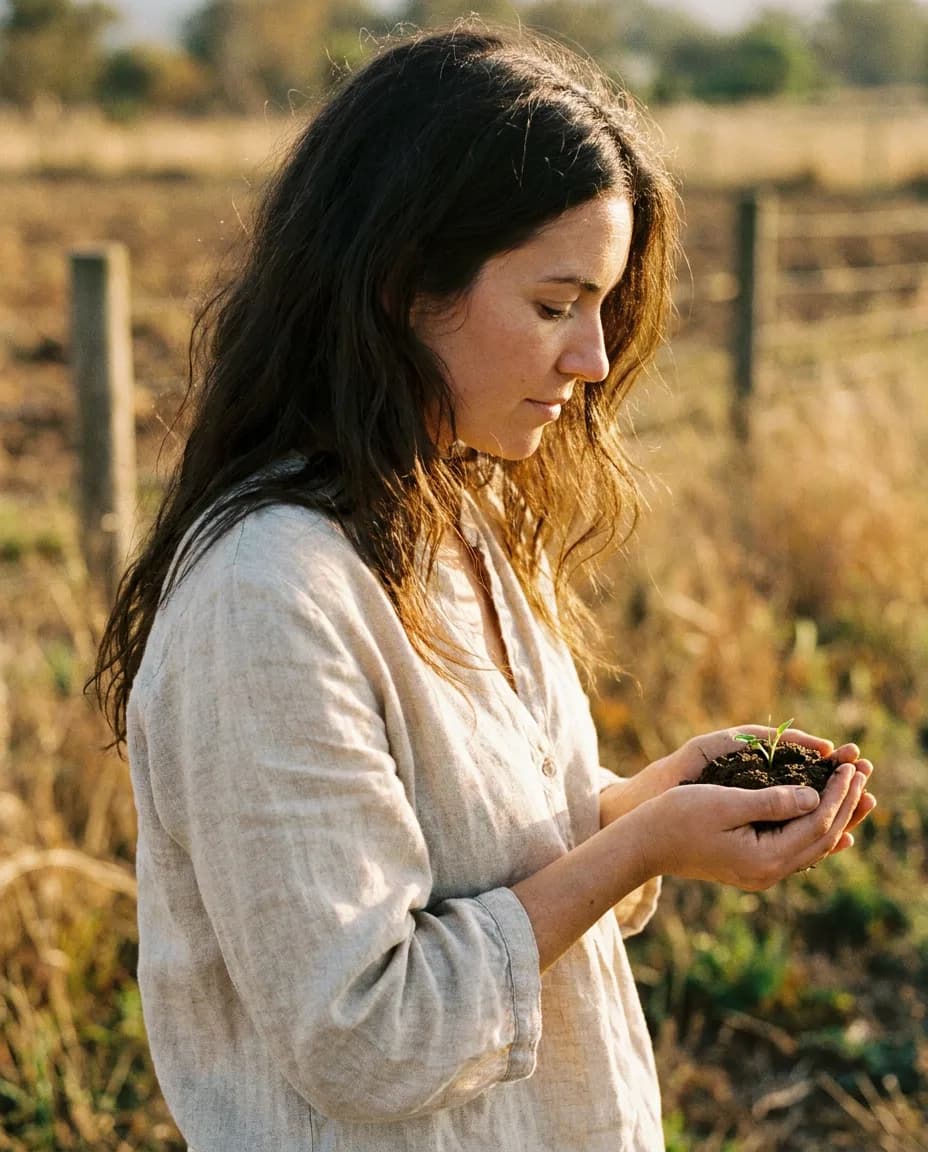
Every culture has a word for her. RETURN is a way back to what she always knew: that the land is not a machine to be forced, but a living body to be fed.
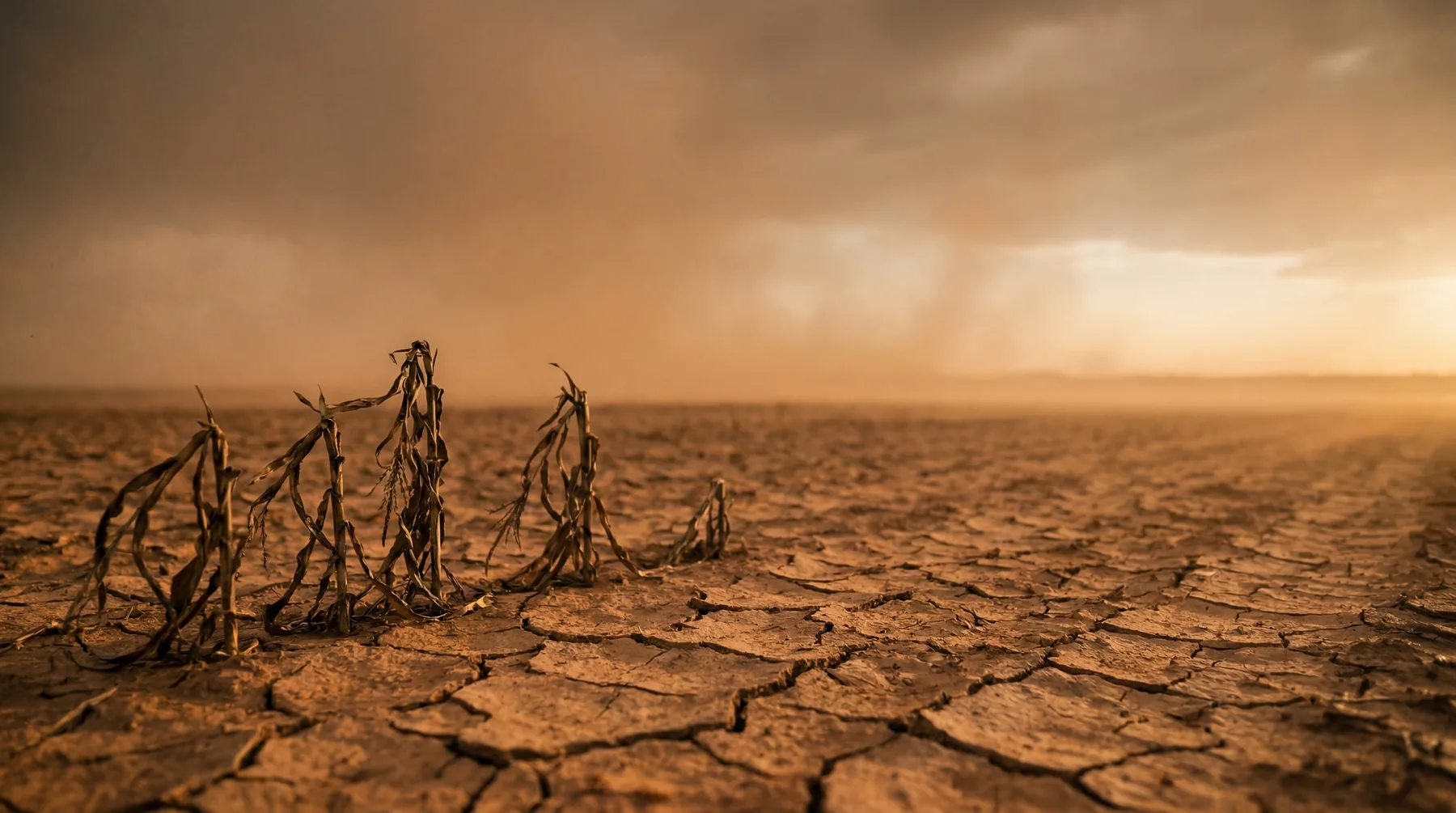
The crisis
What if the way we grow food is quietly costing us the ground it grows in?
We grow calories at almost any cost, and wear out the one thing we can’t replace. Two facts, not a villain: topsoil erodes faster than it forms, and crops grow faster than they fill with substance.
“Considered globally, we are slowly running out of dirt. Should we be shocked that we are skinning our planet?”
of the world's land is now degraded
UNCCD · 2022
tonnes of topsoil lost every year
Borrelli et al. · 2017
people hit by degrading land
IPBES · 2018
of freshwater withdrawals go to farming
FAO AQUASTAT · 2025
A century of subtraction
In one lifetime, we’ve quietly thinned the ground beneath us.
A hundred years ago the soil was deeper, richer, more alive. What follows isn’t a projection. It’s loss already measured, already on the ground.
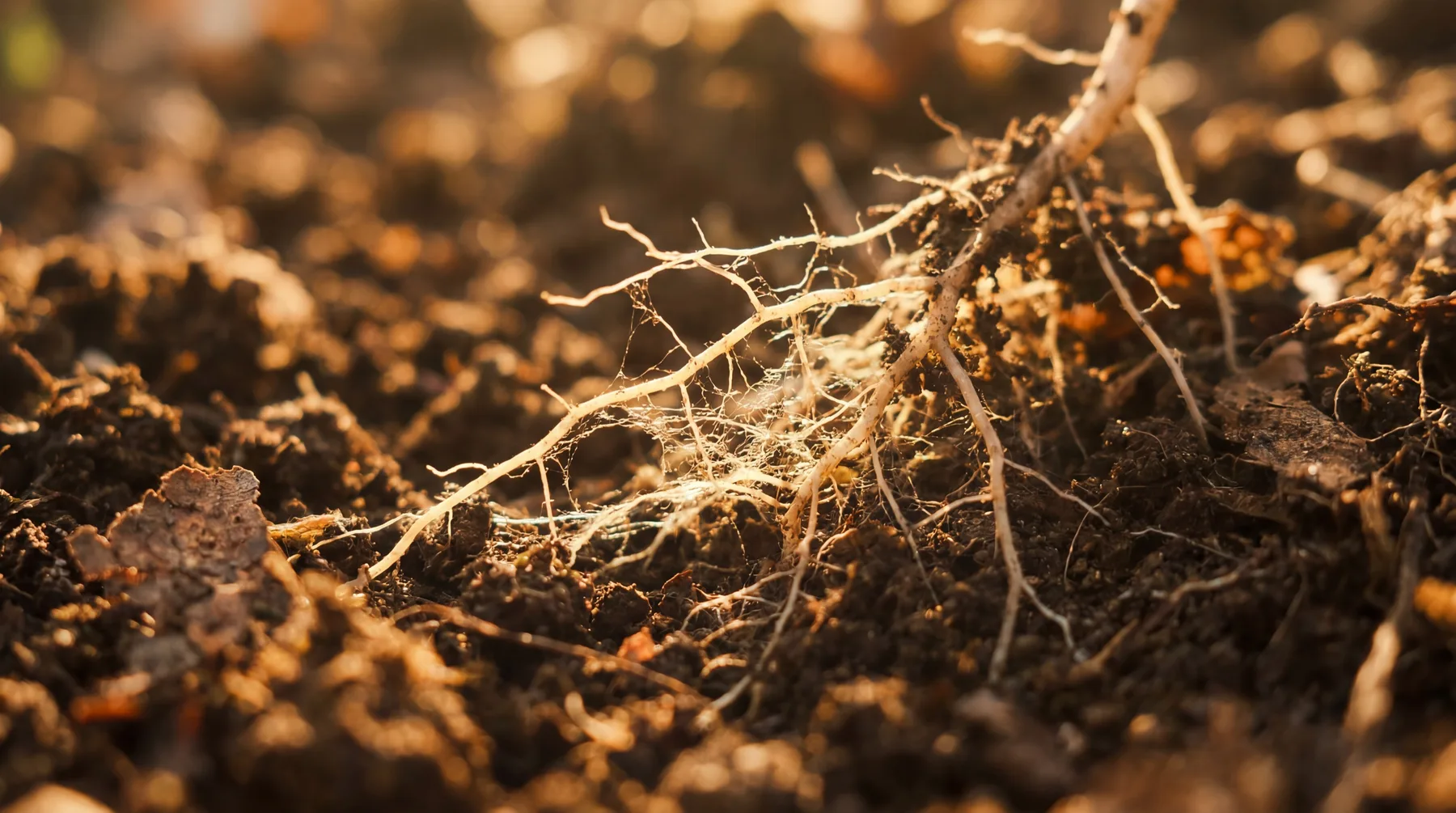
Arable land per person
As soil thins and people multiply, each of us now has roughly half the cropland to live from.
World Bank · FAO land data, 2024
U.S. Corn Belt topsoil
Across the Corn Belt, more than a third of the original carbon-rich topsoil has simply been carried off the fields since farming began.
Thaler et al., PNAS, 2021
Carbon in plowed soils
When wild land is broken for farming, the soil surrenders much of the carbon, its life and its sponge for water, that took millennia to build.
US Second State of the Carbon Cycle Report, 2018
The hope hidden in the loss: soil that was built once can be built again.
The food
Is our food still feeding us, or just filling us?
The honest answer is unsettling, and more interesting than the slogan.
The symptom
Today's crops carry measurably less of some vitamins and minerals than they did mid-century.
Davis 2004; Mayer 1997
The honest cause
Not dead soil. Breeding for yield and rising CO₂ dilute the minerals. Over 160 years at Broadbalk, the grain thinned while the soil held steady.
Fan 2008; Loladze 2014
The open question
So: can soil that's biologically alive grow crops that hold more? The early signal says maybe, no more than that.
Montgomery 2022, PeerJ (preliminary)
We hold this to its skeptics: the strongest review (Marles, 2017) argues much of the decline is a measurement artifact. We take that seriously, and ask the question anyway.
Who pays
If our food is thinning, who pays the price first?
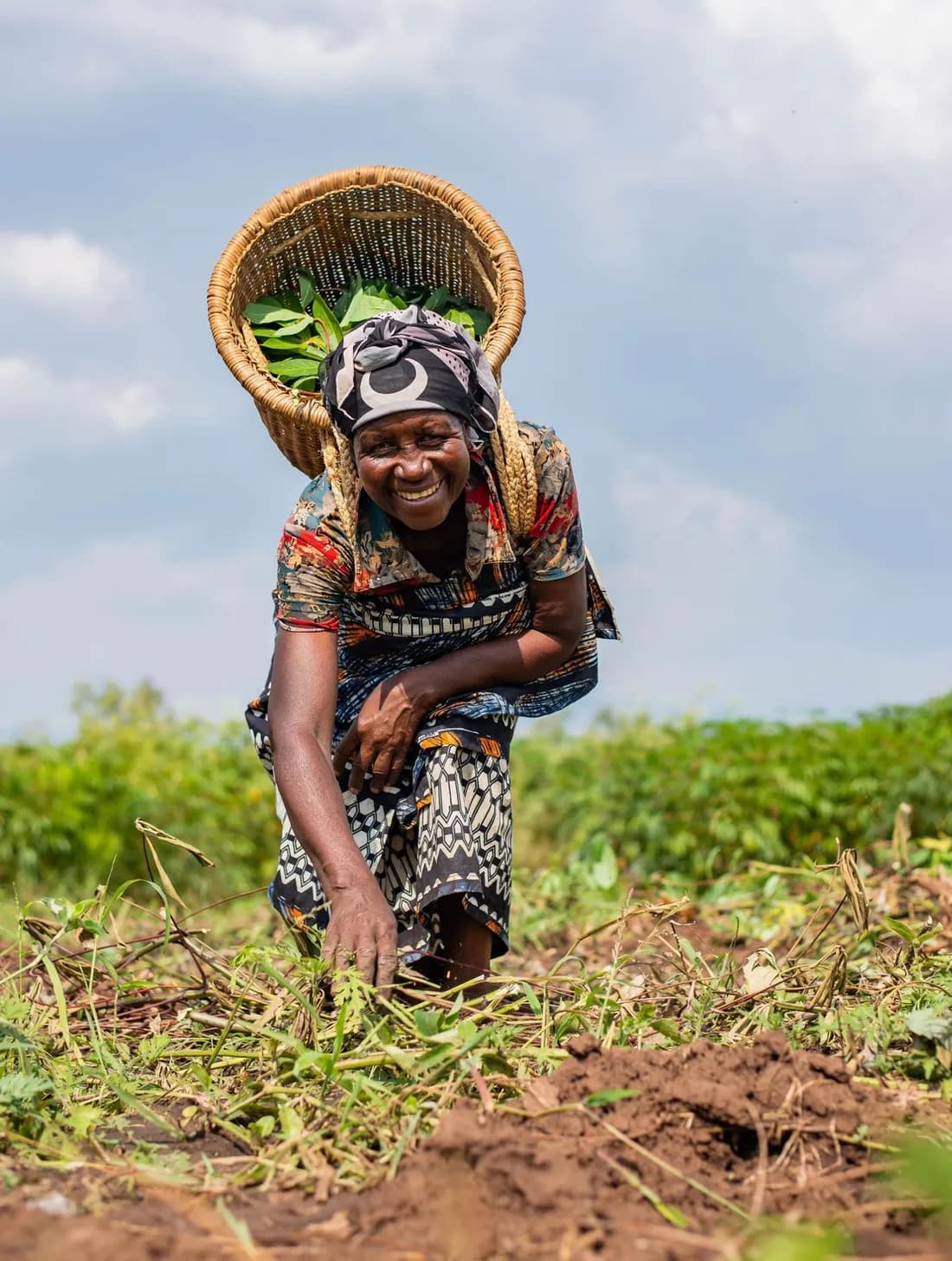
The people who grow our food are the most food-insecure of all.


The open questions
What are the scientists actually asking?
Independent scientists, quoted from their own work. None of them speak for RETURN.
“Rocks may be dead, but they are the source for all of these minerals: zinc, calcium, magnesium.”
“A soil's fertility is built mostly by its living biology, not by the fertiliser added.”
The return
What if the answer was never chemical, but the intelligence already inside the plant?
RETURN is one regenerative biological, made of plant extracts and organic acids, that protects crops without synthetic chemistry and rebuilds the living systems beneath them.
The science
Powered by Phytogenix.
RETURN is built on Phytogenix: a phytobiological science of plant extracts, terpenes, and organic acids (registered under EcoGuard). It works with the living soil, not against it, with no synthetic chemistry.
Extracts, terpenes, and organic acids: the plant's own chemistry, concentrated to protect and to feed.
Concentrated plant compounds, formulated to work at low rates — built for precision, not brute force.
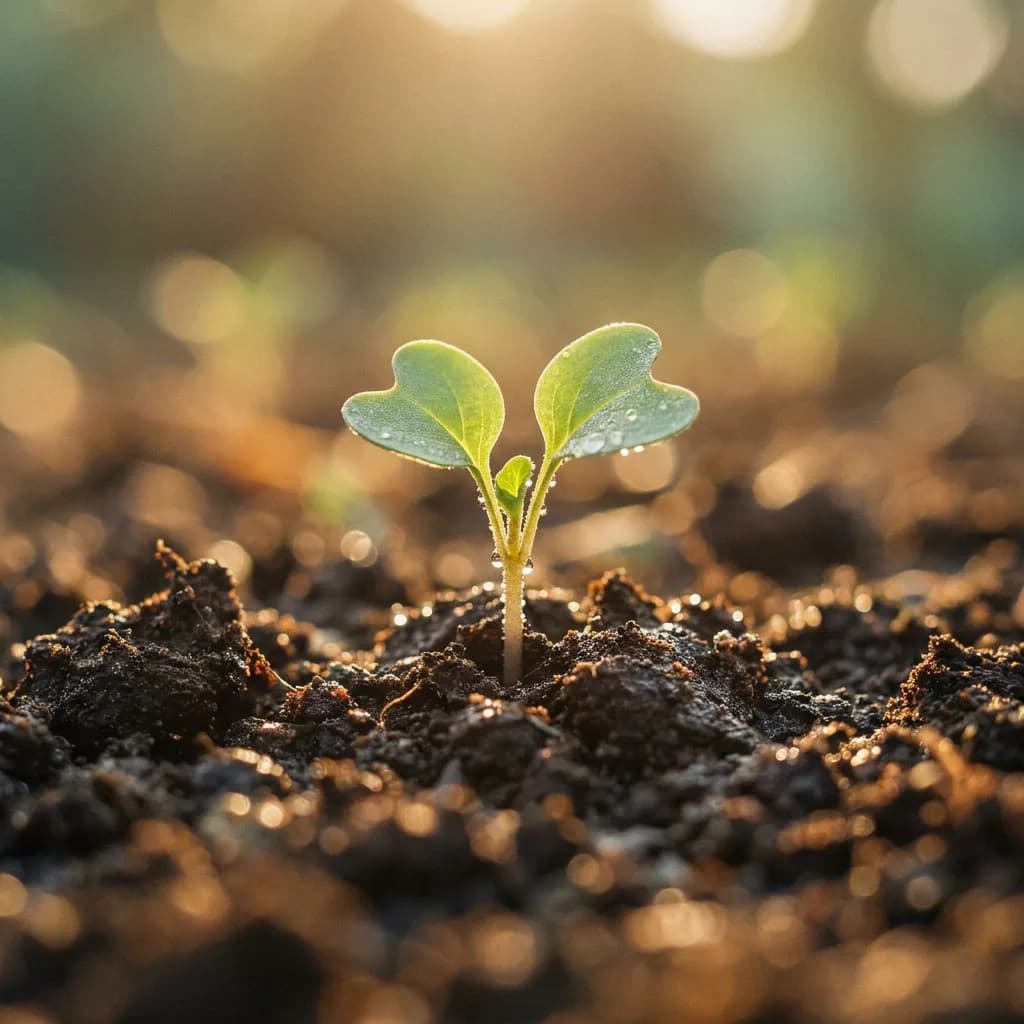
It feeds the living soil rather than sterilizing it, so fertility can build season after season.
Certified renewable carbon, and a federal procurement preference.
Built and used without synthetic pesticides, third-party tested.
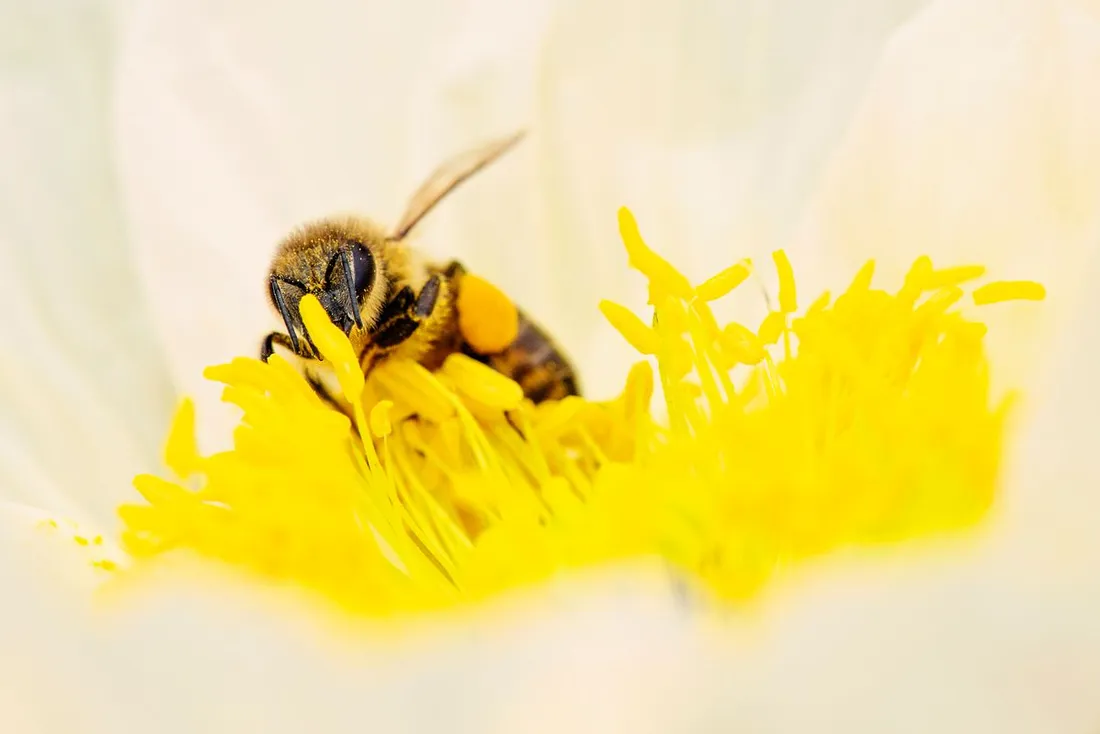
Formulated to spare bees and beneficial insects; data in the data room.
One product, every grower.
USDA Certified Biobased verifies renewable carbon content (ASTM D6866); it is not, by itself, an environmental or water claim. Full field-trial, residue, and bee-safety data available in the data room.
What we refuse
What are we willing to refuse?
“Everyone talks about sustainable. Why would we want to sustain a degraded resource? We need to be regenerative.”
No synthetic pesticides, no synthetic nitrogen, no monoculture, no tilling to dust. All checkable on our own fields.
We tell you what we've done, in the present tense, not a guaranteed future.
“Regenerative” has no legal meaning. Ours: no-till, cover crops, diverse rotations, no synthetic inputs.
We won't say our food heals you. The nutrient evidence is preliminary, so we'll only say what a study found.
We won't pin on dead dirt what breeding and a changing atmosphere did to our food.
The product line
One science. A family of returns.
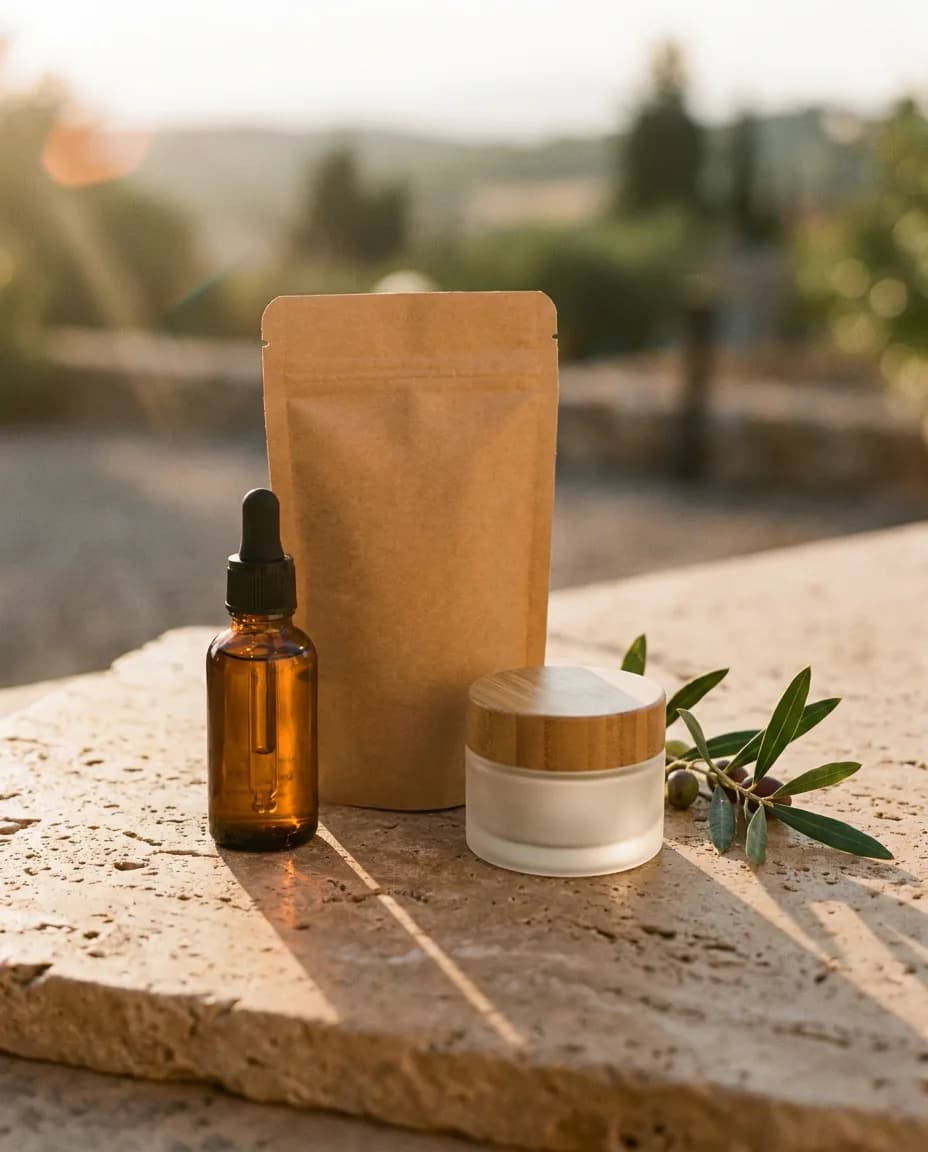
Hero product
Biopesticide 3-in-1
Designed to do the work a grower once split across an insecticide, a fungicide, and a bactericide — one spray in place of an entire program, and the lever that makes regeneration pencil out per acre, without synthetic chemistry and made with pollinators in mind.
Soil & compost
Re-New
Designed to turn manure and compost into living fertilizer faster, with less methane and odor, while feeding the soil microbiome.
Livestock & aquatic
PFA
Designed to support immunity and feed conversion, so animals may need fewer antibiotics — and to help manage feed-toxin (mycotoxin) load, for healthier herds.
Dairy sanitation
Udder Care
Pre- and post-milking sanitation that supports udder health and hygiene, alcohol- and synthetic-free. One litre makes 100+ litres of solution.
Home & animal
Repel
Lemongrass, clove, thyme, rosemary, with no DEET and no synthetics. Formulated for use indoors and around animals and family.
The opportunity
A market this large, this fragmented, rarely stays open for long.
The agricultural biologicals market, by 2030 (~13.7% CAGR).
MarketsandMarkets, 2025
of that market is biopesticides, a large, fast-growing share.
Fact.mr, 2025
no single player dominates the biologicals market. The biological 3-in-1 position is open.
Mordor Intelligence, 2025
The movement
Wherever you stand on the land, you’ve come to the right place.
Return to the soil.
Return on investment.
We’re building the regenerative biological the next century of farming runs on. Investors, governments, and growers: come be part of the return.
土に還る、未来に育てる
Return to the soil, grow the future